Product Overview
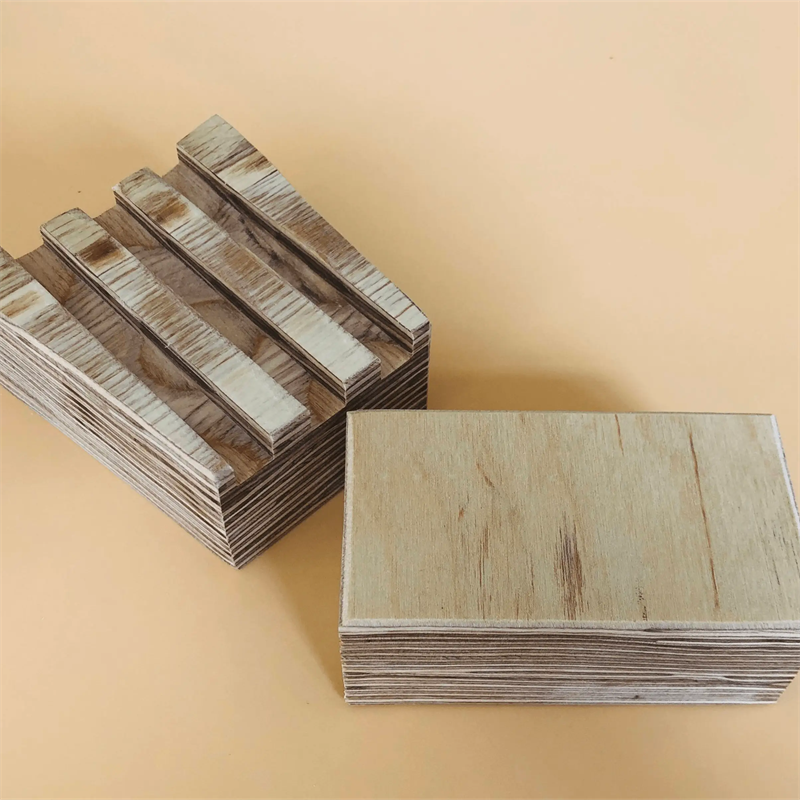
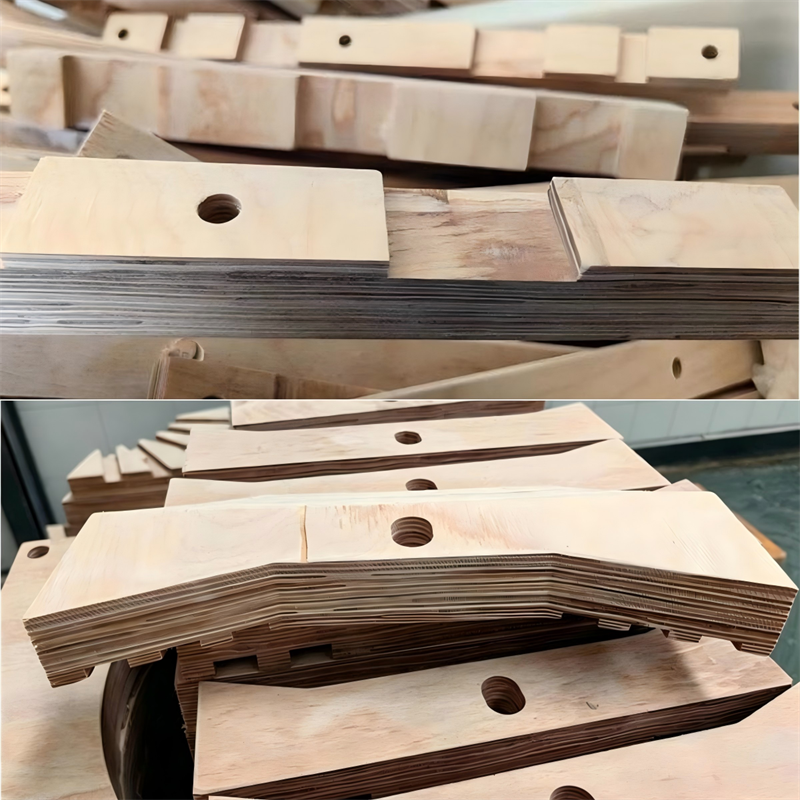
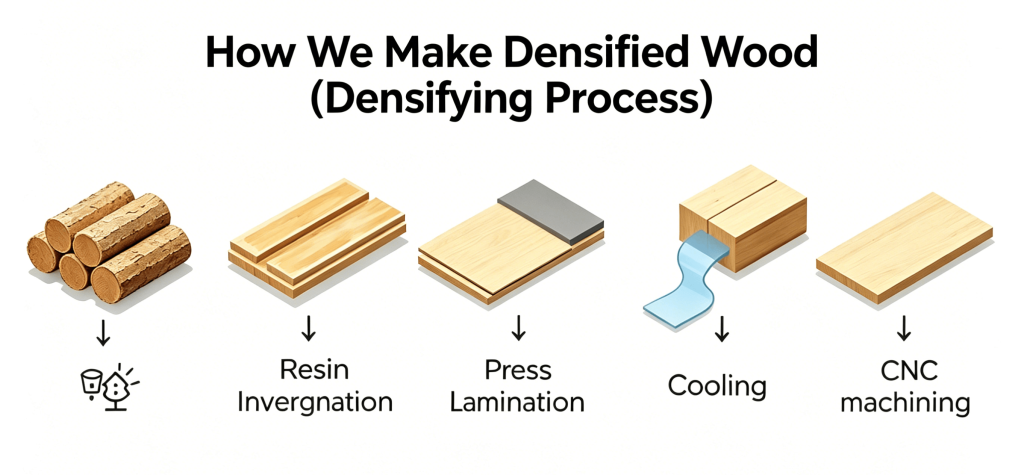
Electrical Laminated Wood Board—also known as Insulation Laminated Wood, Transformer Wood, or Densified Wood— is a high-density insulating structural material made from multiple layers of birch or beech veneers bonded with thermosetting phenolic resin under high temperature and pressure.
It combines:
• The mechanical strength of hardwood
• The electrical insulation of resin systems
• The dimensional stability of engineered composites
It is widely used as a structural insulation and load-bearing component in transformers and high-voltage electrical equipment.
Key Features & Benefits
• High Mechanical Strength
Supports heavy mechanical loads in transformer assemblies without deformation.
• Reliable Electrical Insulation
Stable dielectric performance in oil-immersed environments.
• Excellent Machinability
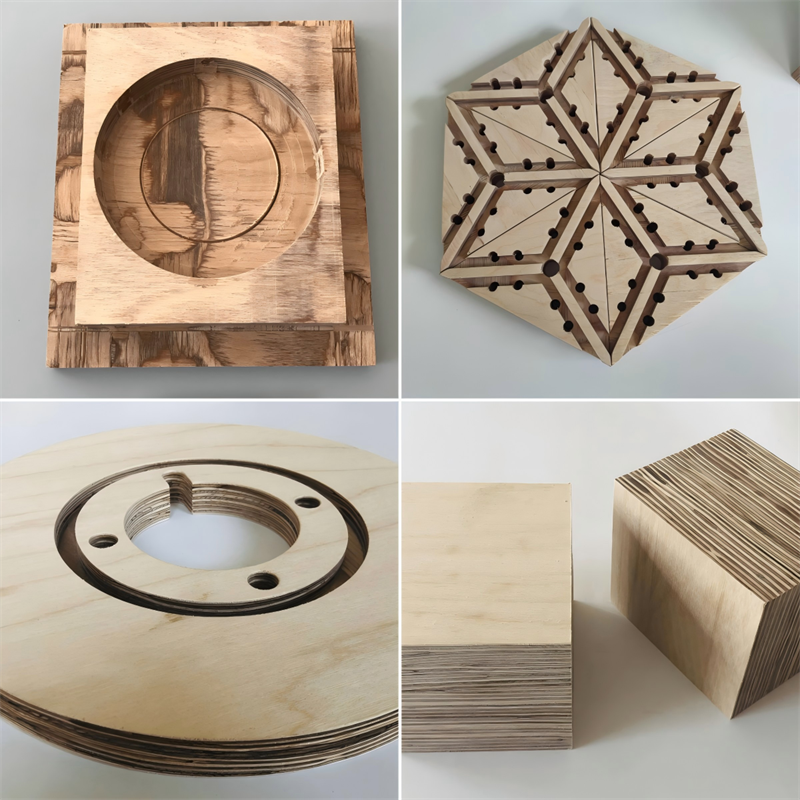
Can be CNC machined into precision components such as rings, blocks, and spacers.
• Dimensional Stability
Low shrinkage and stable performance under long-term operating stress.
• Cost-Effective Engineering Material
Lower cost compared with epoxy glass cloth boards in structural insulation applications.
Typical Applications
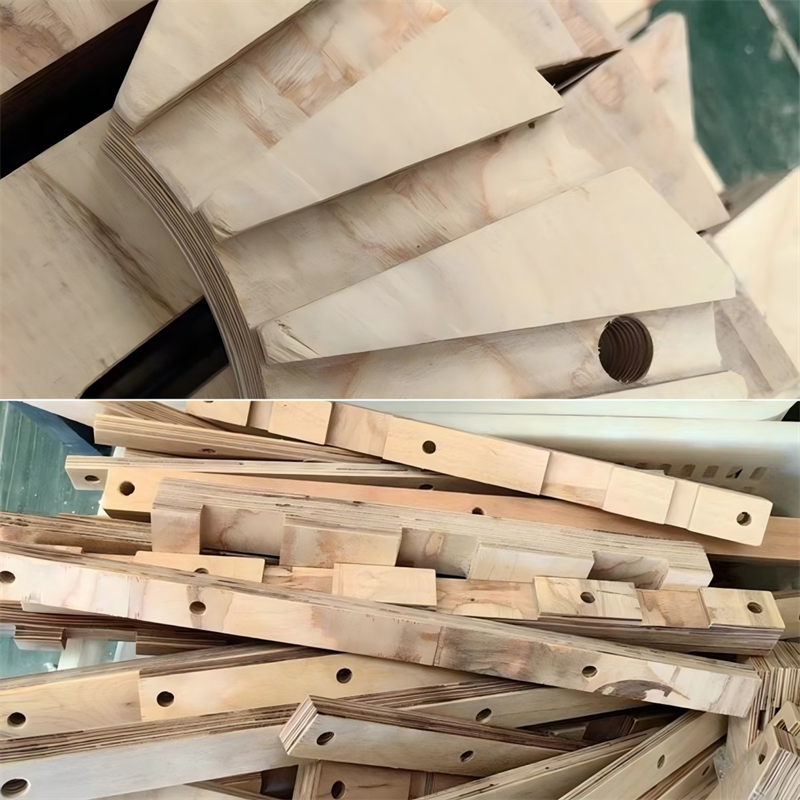
• Transformer Pressure Rings
Precision CNC-machined laminated wood pressure rings used in 10kV–110kV transformers. It provides uniform radial clamping strength, excellent compression stability, and good oil-impregnated thermal performance, serving as a lightweight alternative to epoxy glass rings.
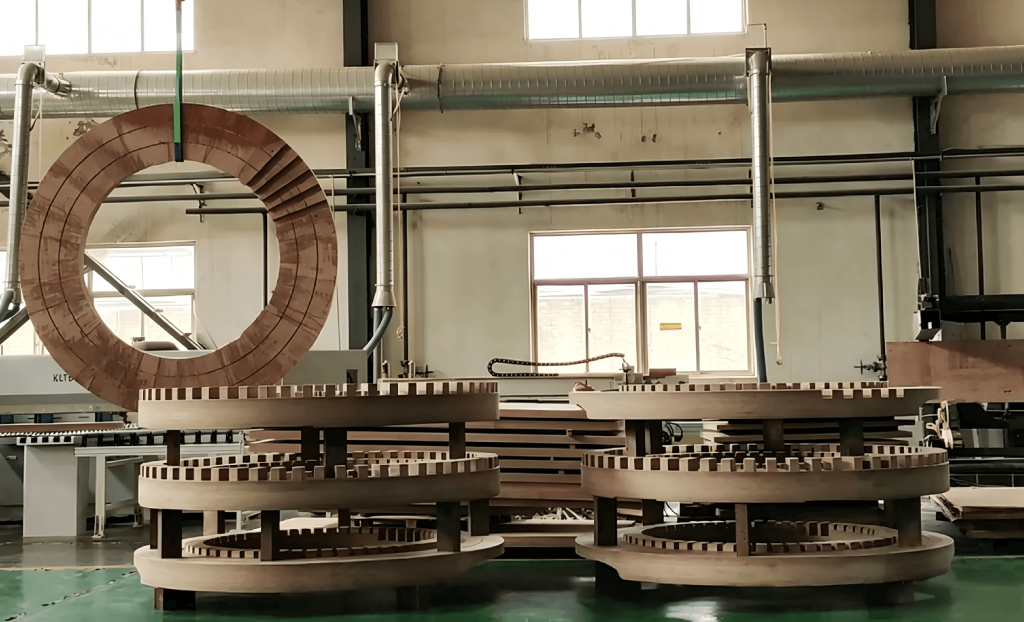
• Load-Bearing Structural Insulation in Transformers
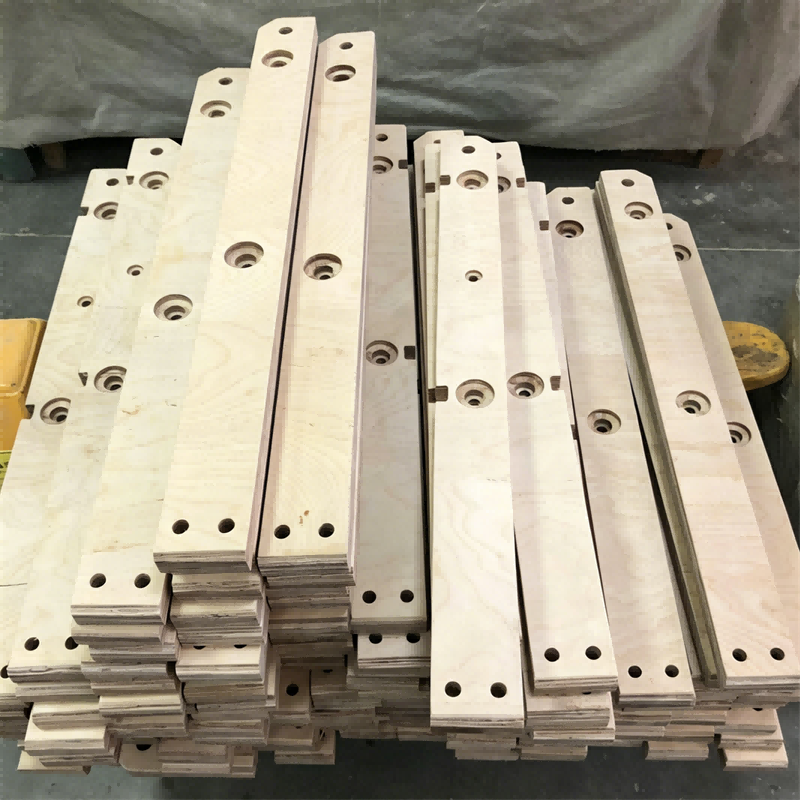
A replacement for epoxy boards, pressboard, and some metal fittings. It is used for clamping plates, yoke spacers, winding supports, and lead brackets in oil-filled transformers, ensuring both mechanical strength and electrical insulation.
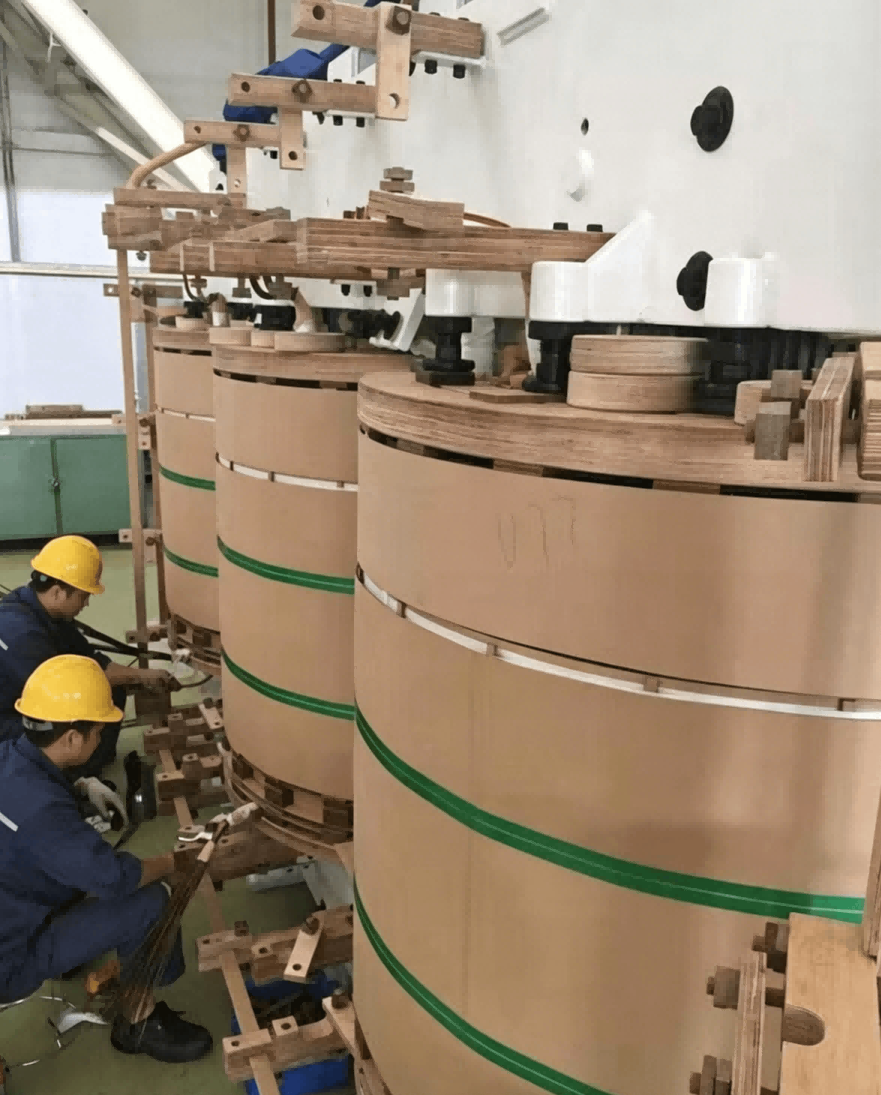
• Winding Positioning & Short-Circuit Force Support
Maintains precise coil alignment and resists electromagnetic forces during short-circuit events, improving winding stability and structural integrity under high mechanical stress.
• CT & PT Internal Insulation Components
Used as structural insulation and support inside instrument transformers, replacing metal parts to reduce weight while maintaining insulation reliability and mechanical fixation.
Grade Selection & Technical Specification
1. Grade Selection Guide
| Grade |
Recommended Voltage Level |
Typical Application |
| DLW101 |
>110 kV (Heavy duty) |
High mechanical stress transformers |
| DLW201 |
>110kV |
Power transformers |
| DLW202 |
35-66kV |
Medium voltage transformers |
| DLW301 |
≤35kV |
Distribution transformers |
2. Technical Properties
| Item |
Unit |
Value |
| DLW101 |
DLW201 |
DLW202 |
DLW301 |
| Material |
– |
Birch / Beech veneers + phenolic resin (controlled formulation per grade) |
| Thickness |
mm |
8–150 (custom available) |
| Sheet Size |
mm |
1000×2000 / 1200×2400 (custom available) |
| Insulation Class |
– |
Class A (105℃) |
| Density |
g/cm³ |
1.2-1.3 |
1.1-1.2 |
1.1-1.2 |
1.0-1.1 |
| Vertical Layer Bending Strength (A/B Direction) |
MPa |
≥80 |
≥65 |
≥65 |
≥55 |
| Impact Strength (A/B Direction) |
kJ/m² |
≥15 |
≥13 |
≥13 |
≥10 |
| Interlaminar Shear Strength (ILS) |
MPa |
≥9 |
≥8 |
≥8 |
≥7 |
| Vertical Layer Electrical Strength (90 °C Transformer Oil) |
kV/mm |
≥9 |
≥8 |
≥7 |
≥7 |
| Shrinkage After Drying (A/B/Thickness Direction) |
% |
A/B Direction: ≤0.3 %; Thickness Direction: ≤3 % |
| Water Content |
% |
≤6 |
| Oil Absorption |
% |
≥5 |
≥8 |
≥8 |
≥10 |
| Standard |
– |
GB/T 20634.3-2008 / IEC61061-2:1998 |
Product Limitations
• Not suitable for continuous high-temperature (>120°C) environments
• Moisture absorption may affect performance in humid conditions
• Not ideal for high-impact mechanical loads
• Requires proper sealing/storage before installation
Processing Capability
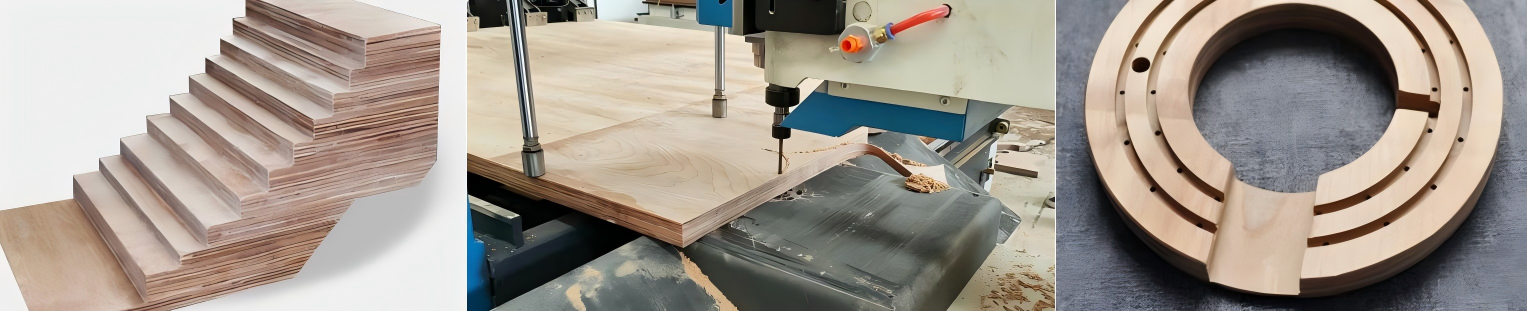
We supply not only raw boards but also custom machined insulation parts:
• CNC cutting
• Drilling & tapping
• Precision shaping
• Pressure ring machining
• Custom transformer structural parts
👉 OEM / ODM available based on drawings
Why Choose Us
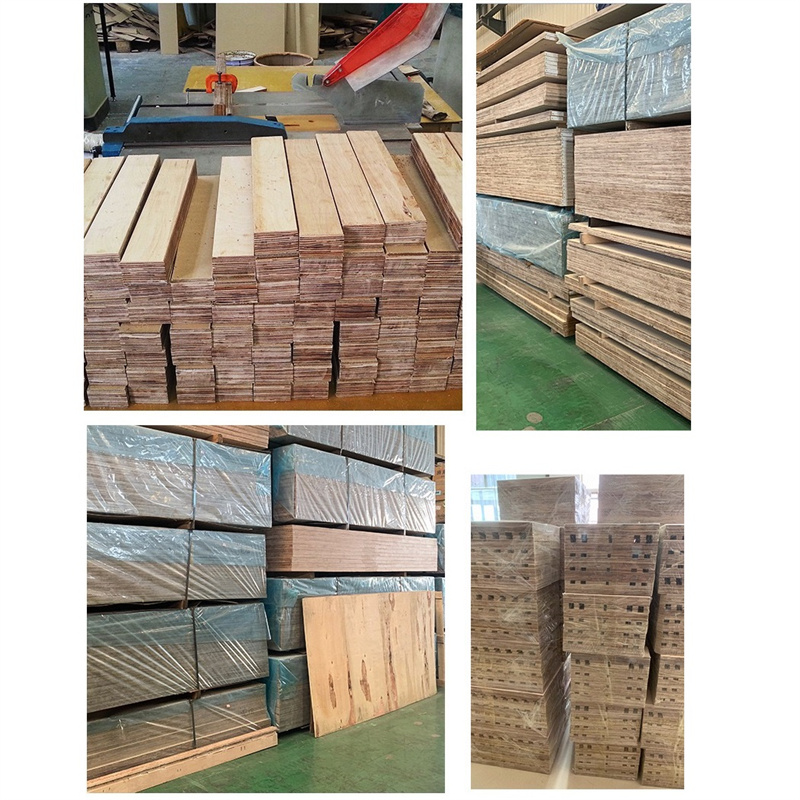
• Stable raw material sourcing (birch/beech veneer grade control)
• Consistent density control (1.0–1.3 g/cm³)
• Transformer-grade industrial supply
• CNC machining support for finished parts
• Export experience for electrical insulation materials
Comparison with Epoxy Glass Cloth Board
| Item |
Laminated Wood |
Epoxy Glass Cloth Board |
| Cost |
Lower |
Higher |
| Machinability |
Excellent (CNC friendly) |
Moderate |
| Mechanical strength |
High |
Very high |
| Heat resistance |
Medium (≤105-120°C) |
Higher (F/H class possible) |
| Moisture resistance |
Lower |
Higher |
| Best use case |
Structural insulation parts |
High-temp electrical insulation |
Laminated wood is best for structural + mechanical support parts, not extreme temperature insulation layers.
FAQ
Q: Is laminated wood suitable for high voltage insulation?
Yes, it is widely used in oil-immersed transformer structural insulation.
Q: Can it replace epoxy boards?
Only in structural/mechanical support parts, not high-temperature insulation layers.
Q: Can you supply machined parts?
Yes, CNC machined transformer components are available.
Q: What is the main advantage?
High strength + insulation + low cost + easy machining.
Need Electrical Laminated Wood for Transformers?
We provide both raw boards and CNC-machined insulation components for global transformer manufacturers.
📩 Send your drawing or specification
📦 Get material recommendation + quotation within 24 hours